




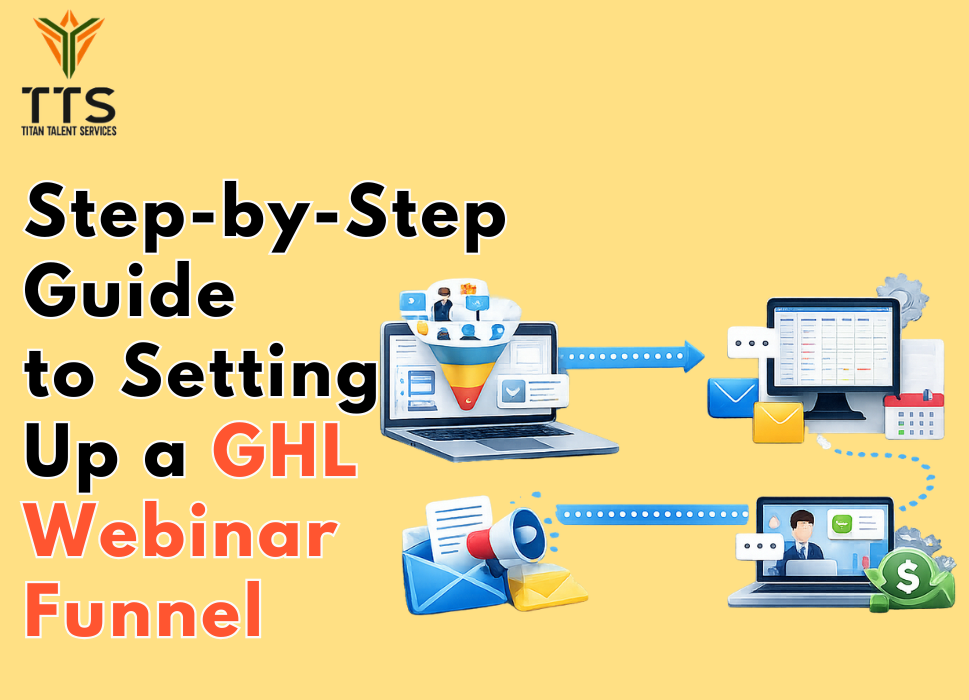
Step-by-Step Guide to Setting Up a GoHighLevel Webinar Funnel
Webinars remain one of the most effective ways to generate qualified leads, build authority, and move prospects closer to a buying decision. Yet many businesses struggle to turn webinar registrations into actual revenue. The problem is rarely the webinar itself. More often, the issue lies in what happens before and after the event.
A poorly configured GoHighLevel webinar funnel can result in low attendance rates, missed follow-ups, lost opportunities, and marketing spend that never produces a return. Businesses invest in advertising, email campaigns, and webinar software only to discover that prospects disappear somewhere in the process.
The good news is that GoHighLevel provides everything needed to create a complete webinar ecosystem inside one platform. From registration pages and automated reminders to attendance tracking and post-webinar nurturing, businesses can build a system that consistently converts registrations into qualified sales opportunities.
This guide walks through the exact process of creating a high-converting webinar funnel while avoiding the mistakes that often prevent businesses from seeing meaningful results.
What Is a Webinar Funnel and Why Does It Matter?
A webinar funnel setup is the sequence of pages, automations, communications, and follow-up processes that guide prospects from registration to conversion. Many companies focus heavily on getting registrations while ignoring the customer journey that follows. As a result, attendance rates remain low, engagement drops, and sales teams receive little value from the webinar. An effective webinar registration funnel ensures that every prospect receives the right message at the right time. It keeps registrants engaged before the event, encourages attendance, tracks behavior during the webinar, and delivers personalized follow-up based on their actions. For founders, consultants, agencies, SaaS businesses, and service providers, webinar funnels often become one of the most predictable lead generation assets in their marketing infrastructure.Core Components of a High-Converting Webinar Funnel
Before building the funnel inside GoHighLevel, it is important to understand the components that work together.Registration Page
The registration page serves as the first conversion point. Its purpose is to persuade visitors to register while capturing essential lead information.Thank You Page
Once someone registers, they should immediately receive confirmation and instructions regarding the event.Automated Email Sequences
Email workflows help nurture registrants and increase attendance rates before the webinar begins.SMS Reminder Campaigns
Text message reminders often outperform email reminders because they are opened almost immediately.Attendance Tracking
Understanding who attended, who missed the webinar, and how engaged participants were allows businesses to personalize follow-up communication.Post-Webinar Nurturing
The real conversion opportunity often begins after the webinar ends.Step 1: Create Your Webinar Registration Funnel
The foundation of every successful GoHighLevel funnel builder project begins with a well-designed registration page. Inside GoHighLevel, navigate to the funnel builder and create a new funnel specifically for your webinar campaign.Build a Clear Value Proposition
Your webinar landing page should answer three questions immediately:What Will Attendees Learn?
Focus on outcomes rather than features. Instead of: “Join our webinar on marketing automation.” Use: “Learn how to reduce lead response times by 70% using automated workflows.”Why Should They Trust You?
Include credentials, experience, case studies, or client success stories.Why Should They Register Now?
Create urgency through limited availability, exclusive content, or bonus resources.Optimize Your Registration Form
One of the most common mistakes in creating a webinar landing page in GoHighLevel is requesting excessive information. Request only essential details such as:- Name
- Email address
- Phone number
Step 2: Build Automated Confirmation Workflows
Once registration occurs, the next priority is ensuring prospects remain committed to attending. This is where webinar automation workflow design becomes critical.Create an Immediate Confirmation Email
The confirmation email should:Reinforce the Value
Remind registrants why they signed up.Provide Event Details
Include webinar date, time, and access information.Add Calendar Links
Encourage attendees to save the event immediately. Many businesses skip this step and later wonder why attendance rates remain low.Send Instant SMS Confirmations
Combining email and SMS dramatically improves attendance. An automated text message should confirm registration and remind prospects to save the date.Step 3: Connect Zoom or Webinar Software to GoHighLevel
Many businesses use Zoom, WebinarJam, Demio, or other webinar platforms. A critical step in how to connect Zoom webinar with GoHighLevel involves ensuring registration and attendance data flows correctly between systems.Configure Integration Settings
Connect your webinar platform using:- Native Integrations
- Zapier
- Webhooks
Track Attendance Behavior
Attendance tracking provides valuable segmentation opportunities. You should know:- Who attended
- Who missed the event
- How long attendees stayed
- Who clicked follow-up offers
Step 4: Set Up Pre-Webinar Nurturing Sequences
Many businesses underestimate the importance of nurturing registrants before the webinar. An effective lead nurturing sequence increases attendance while building anticipation.Schedule Strategic Reminder Emails
A typical sequence includes:One Week Before
Introduce key topics and expected outcomes.One Day Before
Provide reminders and reinforce benefits.One Hour Before
Create urgency and encourage attendance.Fifteen Minutes Before
Send final reminders with direct access links.Deliver Educational Content
Rather than sending repetitive reminders, provide useful information related to the webinar topic. This keeps registrants engaged while positioning your company as a trusted authority.Step 5: Create Post-Webinar Follow-Up Automation
This is where many webinar funnels fail. The event ends, attendees leave, and businesses fail to capitalize on the momentum they have created. A strong webinar follow-up automation strategy addresses different audience segments separately.Segment Attendees and Non-Attendees
Treating all registrants the same reduces conversion opportunities.Attendees
- Webinar replay
- Key takeaways
- Offer presentation
- Appointment booking links
No-Shows
- Replay access
- Alternative viewing options
- Additional reminders
Create Automated Sales Opportunities
For businesses using GoHighLevel pipelines, webinar actions can trigger automatic movement into specific stages. Prospects who watch the webinar and engage with offers can automatically enter sales follow-up workflows. This process transforms webinars from educational events into powerful lead generation assets.Common Webinar Funnel Mistakes Businesses Make
Many companies invest heavily in traffic generation while overlooking operational weaknesses inside the funnel.Weak Registration Pages
Poor messaging and unclear value propositions reduce registrations before prospects even enter the funnel.No SMS Reminders
Relying exclusively on email often results in lower attendance rates.Generic Follow-Up Sequences
Treating all leads identically ignores valuable behavioral data.Poor Segmentation
Without attendance tracking, businesses lose opportunities to personalize outreach.Lack of Conversion Tracking
Many organizations track registrations but fail to monitor attendance, engagement, and sales outcomes. This makes optimization nearly impossible.How Agencies, Consultants, and SaaS Companies Use Webinar Funnels
A GoHighLevel lead generation funnel serves different purposes depending on the business model.Agencies
Use webinars to educate prospects and generate discovery calls.Consultants
Use webinars to establish expertise and qualify potential clients.SaaS Companies
Use webinars for product demonstrations and onboarding.Service Businesses
Use webinars to build trust and shorten sales cycles. Despite different objectives, the underlying funnel structure remains remarkably similar.Advanced Webinar Funnel Optimization Strategies
Once the funnel is functioning properly, optimization becomes the next priority.Test Registration Page Variations
Small changes to headlines, offers, and calls-to-action can significantly impact conversion rates.Improve Attendance Rates
Analyze:- Email Open Rates
- SMS Response Rates
- Reminder Timing
- Registration Sources