



Aligning Talent with Business Goals Through Workforce Transformation
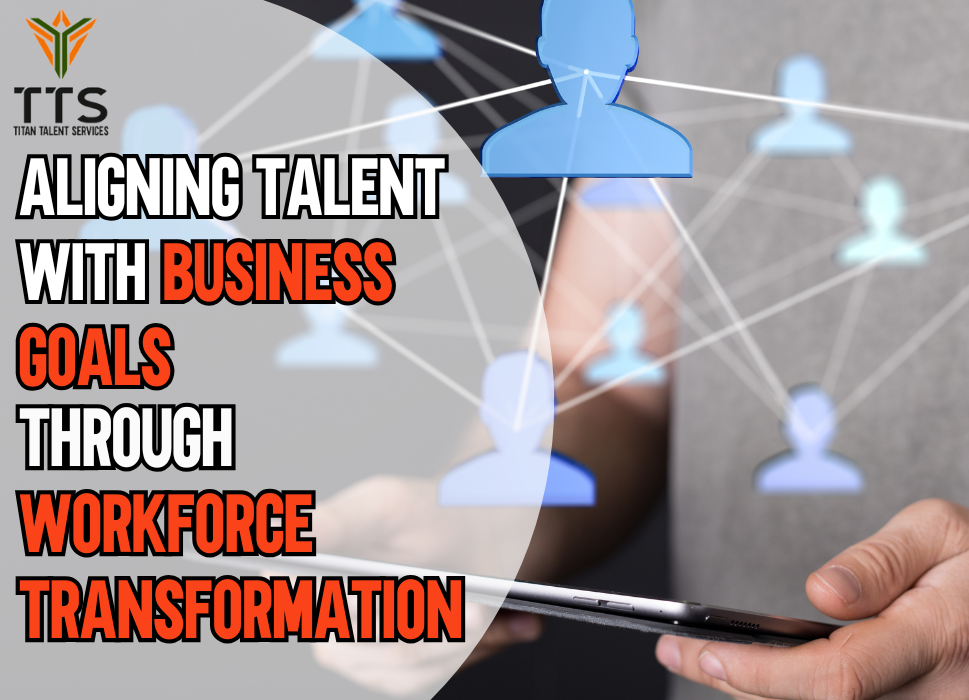
In today’s fiercely competitive and rapidly evolving business landscape, aligning talent with business goals isn’t just a strategic advantage; it’s a necessity. The modern workforce demands agility, adaptability, and a clear vision that binds employee performance with enterprise success. This synergy doesn’t happen by chance. It requires a focused, intentional effort known as workforce transformation.
For many outsourcing companies, finding the right talent can be hectic since managing, hiring, organizing, and overseeing employees can be time time-consuming process when you are adapting a new business model. So, how can a business adapt a setup that aligns with its goals? In this article, we are going to
Why Talent Alignment Matters More Than Ever
Organizations today face relentless pressure to innovate, scale, and stay ahead of market trends. This calls for a workforce that is not only technically skilled but also aligned with the strategic direction of the company. Yet, many organizations struggle with a gap between their business goals and the capabilities or mindset of their workforce. Misaligned talent leads to underperformance, low morale, increased turnover, and ultimately, missed business opportunities. In contrast, when the workforce is aligned with the strategic goals, employees are more engaged, innovation flows naturally, and the organization is well-positioned to outperform its competitors.What is Workforce Transformation?
Workforce transformation is a holistic approach that reimagines how people, processes, and technology interact within an organization. It involves reskilling and upskilling employees, adopting new technologies, restructuring teams, and redesigning job roles to better fit the evolving goals of the business. It’s not just about training—it’s about fostering a culture of agility, embedding continuous learning, and ensuring that talent strategy moves in lockstep with business evolution.Titans Talent Services Approach to Workforce Transformation
At the core of Titans Talent Services lies a mission to empower businesses by reshaping their workforce strategies. Here’s how Titans Talent Services drives workforce transformation and talent alignment:1. Strategic Workforce Planning
Titans begins with deep workforce analytics and business diagnostics. By understanding the client’s industry, market position, and long-term goals, Titans builds a workforce blueprint that aligns human capital strategy with business outcomes. This planning involves:- Identifying current and future skill gaps
- Forecasting workforce needs based on growth and innovation trajectories
- Designing talent acquisition strategies that are proactive, not reactive
2. Tailored Talent Acquisition
Instead of following a one-size-fits-all approach, Titans Talent Services offers reliable outsourcing and hiring services to match a company’s specific culture, mission, and operational needs. From executive search to high-volume staffing, Titans ensures the right people are placed in the right roles at the right time. Through deep networks, data-driven sourcing methods, and a commitment to diversity and inclusion, Titans finds talent that doesn’t just fit the job description but fuels the company’s growth.3. Skills-Based Hiring and Development
The days of hiring solely based on resumes or degrees are fading. Titans Talent Services champions skills-based hiring—focusing on what candidates can do, not just where they’ve been. This approach broadens the talent pool and often leads to higher-performing, more adaptable employees. Additionally, Titans provides robust upskilling and reskilling programs. Whether it’s digital fluency, leadership development, or technical training, these programs ensure employees evolve in tandem with the business.4. Flexible and Scalable Staffing Models
In dynamic markets, flexibility is key. Titans offers staffing models that adjust with the client’s growth curve. Whether it’s short-term project staffing, contract-based hiring, or full-scale outsourcing, Titans enables businesses to remain lean while accessing top-tier talent. These flexible models help organizations manage workforce costs, increase agility, and quickly respond to changing business needs without sacrificing quality. With such flexibility, companies can also avoid over-staffing or underhiring employees in their organization.5. Technology-Driven Insights and Reporting
With Titans, workforce transformation is not left to intuition. Cutting-edge workforce analytics tools provide real-time insights into performance, engagement, and skills metrics. This data empowers leadership to make smarter decisions about training, hiring, and succession planning. Through predictive analytics, Titans can help businesses anticipate turnover, identify high-potential talent, and even design more compelling employee experiences.6. Cultural Alignment and Change Management
Workforce transformation isn’t just operational—it’s deeply cultural. Titans Talent Services supports organizations in fostering a culture that embraces change, collaboration, and innovation. This includes:- Change management strategies to ease transitions
- Leadership coaching to ensure alignment from the top down
- Engagement programs that connect employees with the company’s mission
Real-World Impact: The Titans Talent Services Effect
Companies that have partnered with Titans Talent Services report significant improvements across multiple KPIs:- Productivity Gains: Re-aligned teams operating with clear objectives and streamlined processes
- Employee Engagement: Higher retention rates and stronger team morale due to role clarity and growth opportunities
- Faster Time-to-Hire: Reduced hiring timelines with high-quality matches
- Innovation Uptick: A workforce ready to embrace and implement new technologies and strategies